Changing your hair color can be a thrilling way to enhance your appearance and express your personality. From subtle highlights to a complete color overhaul, the possibilities in hair coloring are vast and varied. Here’s a comprehensive guide to help you navigate the exciting world of hair coloring and achieve the look you desire.
Understanding Hair Coloring
Hair coloring is a complex process that modifies the hair's internal structure to achieve your desired hue. There are several hair coloring techniques, each catering to different styling needs and preferences:
.png)
- Permanent Hair Coloring: This method chemically alters your hair to remove the natural color and infuse it with new color. It's ideal for covering gray hair or for those seeking a durable color change but requires regular touch-ups for new growth.
- Semi-Permanent Hair Coloring: Offering less commitment, semi-permanent color washes out after several shampoos and is less damaging than permanent dyes. It's perfect for those experimenting with new colors as it fades gradually and doesn't leave obvious regrowth lines.
- Temporary Hair Coloring: Temporary dyes coat the hair surface and wash out after just a few shampoos, making them ideal for special events or before committing to a permanent color.
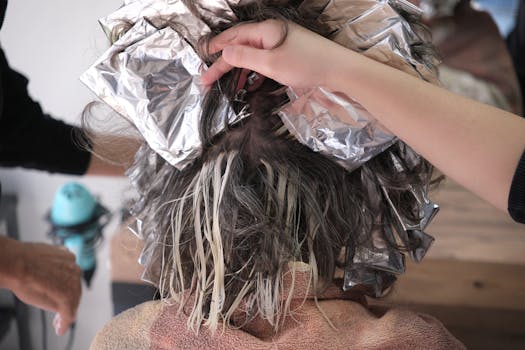
- Highlights and Lowlights: These techniques involve dyeing only certain strands of hair to add depth and dimension. Highlights can lighten your overall look, while lowlights add depth and richness.
Choosing the Right Color
The right hair color should complement your skin tone, natural hair shade, and personal style. Here’s how to select the perfect color:
- Cool Skin Tones: Choose lighter shades like ash blonde or rich, cooler browns and blacks. Cool-toned highlights or soft pastels can also enhance your complexion.
- Warm Skin Tones: Opt for warm colors like golden blondes, vibrant reds, or deep caramel browns. Highlights in honey or copper shades can add a radiant glow.
- Neutral Skin Tones: If you have a neutral skin tone, you might experiment with both cool and warm colors, depending on your preference.
The Coloring Process
A successful coloring experience starts with a professional consultation. Here's what to expect:
- Preparation: Depending on the desired result, your hair may need pretreatment to ensure it's in good condition to handle the dye.
- Application: Your colorist will apply the dye using the appropriate technique to achieve the look you want, whether it’s a full color, balayage, ombre, or other styles.
- Processing Time: The dye needs time to develop, during which your hair is monitored to ensure the color sets correctly.
- Rinsing and Conditioning: After the color has developed, it's rinsed out and followed by a conditioning treatment to lock in the color and protect your hair.
Maintaining Your Colored Hair
To keep your hair color looking fresh and vibrant, consider the following tips:
- Use Color-Safe Products: Specialized shampoos and conditioners for colored hair help extend the life of your color.
- Avoid Frequent Washing: Limit washing to a few times a week to prevent fast color fade. Use lukewarm water to help preserve the dye.
- Protect Against UV Rays: Sun exposure can fade hair color quickly. Wear hats or use hair products with UV protection.
- Regular Salon Visits: Regular upkeep by a professional will help maintain your color and manage regrowth.
Conclusion
Embracing a new hair color can be an empowering and refreshing change. Whether you choose a subtle enhancement or a bold transformation, the key to stunning results lies in choosing the right color, applying it correctly, and maintaining it with care. With professional advice and proper hair care, you can enjoy a vibrant, head-turning new look that truly reflects your individual style.