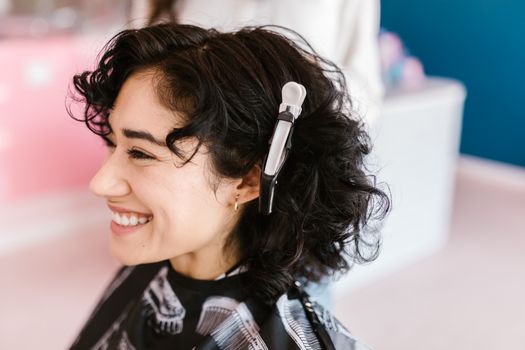
Choosing the perfect hair color is about more than just following trends or picking a shade you love from a magazine. The ideal hair color can illuminate your features, enhance your natural beauty, and even make your complexion glow. But how do you know which shade will work best for you? The answer lies in understanding your skin tone and undertones. In this comprehensive guide, we’ll demystify how to choose the ideal hair color according to your skin tone, offering practical advice, examples, and expert insights to help you make a confident, flattering choice.
Understanding Skin Tone and Undertones: The Foundation for Hair Color Choice
Before diving into specific hair color choices, it’s crucial to understand the difference between skin tone and undertones. Your skin tone refers to the depth of color—light, medium, tan, or deep—while your undertone is the subtle hue beneath the surface. There are three main undertones: cool, warm, and neutral.
- Cool undertones have hints of pink, red, or blue. - Warm undertones feature yellow, golden, or peachy hues. - Neutral undertones are a balanced mix of both.A quick way to determine your undertone is the vein test: if the veins on your wrist appear blue or purple, you likely have cool undertones. If they look greenish, you have warm undertones. If it’s hard to tell, you may be neutral.
.png)
Why does this matter? Hair color interacts with your skin’s undertone, either complementing and brightening your complexion or clashing and making you look washed out. According to a 2022 study by the International Journal of Cosmetic Science, 76% of people reported feeling more confident after choosing hair colors tailored to their undertones.
Best Hair Colors for Cool Skin Tones
If you have cool undertones, your skin likely burns easily in the sun, and you look best in silver jewelry. The key to choosing the right hair color is to stick with shades that also have cool, ashy, or neutral bases.
Recommended shades for cool undertones: - Ash blonde, platinum, or icy blonde - Cool browns like espresso, mocha, or soft black - Burgundy, wine, or cool redsAvoid: Warm shades such as golden blonde, copper, or caramel, which can make cool-toned skin appear sallow.
Celebrity inspiration: Anne Hathaway and Lucy Liu both have cool undertones and often opt for rich, cool browns or black shades that beautifully complement their complexions.
Best Hair Colors for Warm Skin Tones
Warm undertones tend to tan easily and look radiant in gold jewelry. The most flattering hair colors for warm skin tones are those with golden, honeyed, or copper hues.
Recommended shades for warm undertones: - Golden blonde, honey blonde, or butterscotch - Warm browns like chestnut, cinnamon, or amber - Rich auburn, copper, or golden redAvoid: Cool, ashy tones, which can make warm skin look dull or grayish.
Celebrity inspiration: Beyoncé and Jessica Alba have warm undertones and often choose golden, sun-kissed shades that enhance their natural glow.
Ideal Hair Colors for Neutral Skin Tones
Neutral undertones offer the most flexibility—almost any hair color can look flattering! However, the best shades are those that are neither too warm nor too cool, providing a harmonious balance.
Recommended shades for neutral undertones: - Soft, beige blondes - Neutral browns (not too ashy or golden) - Rose gold or muted copper tonesTips: Neutral skin tones can experiment with both highlights and lowlights to add dimension without overwhelming their complexion.
Celebrity inspiration: Jennifer Aniston and Kerry Washington, both known for versatile hair color choices that play up their balanced undertones.
Comparing Hair Colors for Different Skin Tones: An Overview
To make it easier to visualize, here’s a comparative table showcasing recommended and less flattering hair color choices for each skin tone and undertone combination:
| Skin Tone/Undertone | Recommended Hair Colors | Colors to Avoid | Celebrity Example |
|---|---|---|---|
| Cool | Ash blonde, cool brown, espresso, burgundy | Golden blonde, copper, caramel | Anne Hathaway |
| Warm | Golden blonde, honey, chestnut, auburn | Ash blonde, cool black, blue-based reds | Beyoncé |
| Neutral | Beige blonde, neutral brown, rose gold | Extremely warm or cool tones | Jennifer Aniston |
Factoring in Eye Color and Natural Hair Color
While skin tone and undertones are the main factors, don’t overlook your natural hair and eye color. These features work together to create your overall look, and harmonizing them can make your new hair color appear more natural.
- Blue or gray eyes: Often pop with cool-toned hair colors. - Green or hazel eyes: Come alive with warm tones like copper or golden brown. - Brown eyes: Versatile, but caramel, chestnut, or rich black shades flatter most.If you have naturally dark hair and want to go lighter, consider adding highlights or balayage instead of a full-color change. According to a 2023 survey by the American Salon Association, 64% of clients who transitioned gradually reported higher satisfaction with their new look compared to those who made dramatic changes at once.
Considering Lifestyle, Maintenance, and Hair Health
Choosing the ideal hair color isn’t just about appearance; it’s about practicality and sustainability. Some colors require frequent salon visits, special shampoos, or more intensive care.
- Light blondes and vibrant reds fade fastest and may need touch-ups every 4-6 weeks. - Darker shades and natural colors typically require less upkeep. - If you have fine or damaged hair, avoid harsh bleaching processes that can exacerbate breakage.Hair health should always come first. A 2021 study found that 37% of frequent colorers experienced some degree of hair damage, especially when using high-lift blondes or repeated bleaching. Always consult a colorist before making significant changes, and invest in nourishing treatments to maintain hair vitality.
When to Consult a Professional vs. DIY Coloring
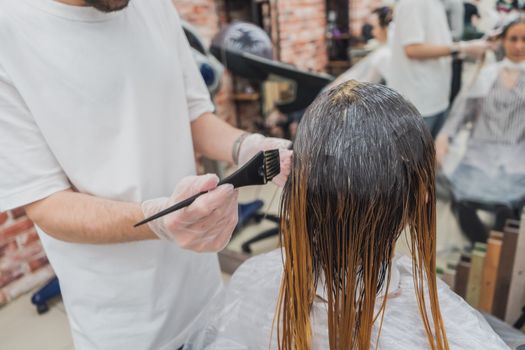
While at-home hair color kits are more advanced than ever, some scenarios call for a professional touch:
- Major color changes (e.g., dark to light, drastic shade shifts) - Correcting previous color mishaps - Adding multiple tones or highlights for dimensionA professional colorist can customize the formula to your unique undertones, hair texture, and lifestyle needs. According to L’Oréal’s global survey, 72% of women who sought professional advice before coloring were more satisfied with the results than those who went DIY.
That said, if you’re sticking close to your natural shade or just want to cover grays, at-home kits can be a budget-friendly option—just remember to do a strand test to avoid surprises!
Expert Tips for Making Your Hair Color Last
Once you’ve chosen your ideal shade, a little aftercare goes a long way to keep your color vibrant:
- Use sulfate-free, color-safe shampoos and conditioners - Limit washing to 2-3 times per week to prevent fading - Protect hair from UV exposure with hats or special sprays - Schedule regular trims to maintain healthy, shiny endsFollowing these tips, you can enjoy your flattering new hair color for longer—no matter your skin tone.
Finding Confidence in Your Ideal Hair Color Choice
Choosing the perfect hair color according to your skin tone is both an art and a science. By understanding your undertones, considering your eye and natural hair color, and factoring in your lifestyle and maintenance preferences, you can achieve a look that enhances your unique beauty and makes you feel your best. Remember, the right shade can transform more than just your appearance—it can boost your confidence and self-expression. Don’t be afraid to experiment, consult experts, and most importantly, choose a color that feels authentically you.