Coloring your hair is a powerful way to express your personality and refresh your look, but the transformation doesn’t stop once you leave the salon. In fact, the way you care for your hair after coloring plays a critical role in keeping those stunning shades vibrant, healthy, and long-lasting. While many people focus on choosing the right color, professionals agree that post-color care is just as important for achieving salon-quality results at home. This comprehensive guide will walk you through the science behind colored hair, the essential aftercare steps, and the expert-approved strategies to keep your color radiant for weeks.
The Science Behind Colored Hair: What Happens During the Process
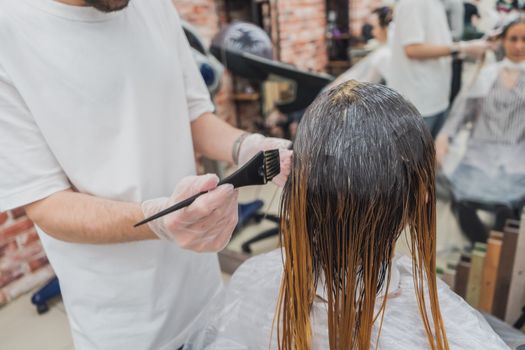
Understanding what your hair undergoes during coloring helps clarify why special care is necessary afterward. When you color your hair, especially with permanent dye, the process involves opening the hair cuticle (the protective outer layer) so that color molecules can penetrate the hair shaft. According to the American Academy of Dermatology, chemical color treatments can alter the structure of your hair, making it more porous and susceptible to dryness and breakage.
A typical permanent coloring session can raise the hair’s porosity by up to 50%, increasing the risk of color fading and damage from environmental factors like UV rays and pollution. Semi-permanent dyes are less harsh but still affect the hair’s structure. Without proper aftercare, colored hair can quickly lose its shine, strength, and intensity. This scientific insight underscores why professionals emphasize a tailored regimen for post-color maintenance.
.png)
Choosing the Right Products: Sulfates, pH, and Color-Safe Formulas
One of the most critical decisions after coloring your hair is selecting the right hair care products. Not all shampoos and conditioners are created equal—especially when it comes to color-treated hair. Here’s what the pros recommend:
- $1: Sulfates are cleansing agents that can strip natural oils and color from your hair. According to a 2022 survey by the Professional Beauty Association, 68% of colorists suggest using sulfate-free shampoos to prolong color vibrancy. - $1: The ideal pH for hair products is between 4.5 and 5.5. Using pH-balanced products helps seal the hair cuticle, locking in color and moisture. - $1: These contain ingredients like keratin, amino acids, and UV filters that protect colored hair from external stressors.To help you choose, here’s a comparison table of common product types for colored hair:
| Product Type | Main Benefit | Key Ingredient | Recommended Frequency |
|---|---|---|---|
| Sulfate-Free Shampoo | Gentle cleansing, less color fade | Cocamidopropyl betaine | Every wash |
| Color-Safe Conditioner | Moisture, protection | Hydrolyzed keratin | Every wash |
| Deep Conditioning Mask | Repair, nourishment | Shea butter, argan oil | Once weekly |
| Leave-in Treatment | Strength, UV protection | Silicone, UV filters | As needed |
Choosing the right combination of these products is the foundation of post-color hair health.
Essential Aftercare Routines: Washing, Conditioning, and More
How you treat your hair immediately after coloring can greatly affect the longevity of your color. Here are the professional-recommended routines:
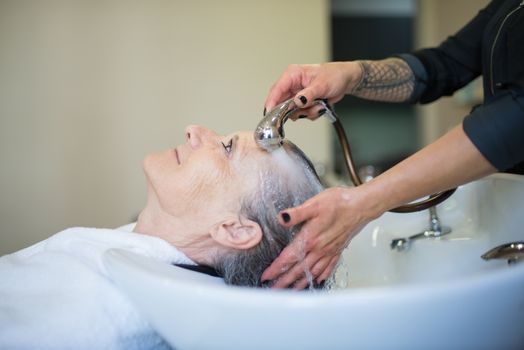
- $1: Experts advise waiting at least 48-72 hours after coloring before your first shampoo. This gives the cuticle time to close and the color to settle. - $1: Hot water opens the hair cuticle and can speed up color loss. Rinse with lukewarm or cool water to help seal in color. - $1: Washing your hair too often can strip away color molecules and moisture. The American Academy of Dermatology recommends washing colored hair no more than 2-3 times per week. - $1: Avoid rubbing your hair with a towel. Instead, blot gently or use a microfiber towel to minimize friction and breakage.These habits, when combined with the right products, can extend the life of your color by up to 30% according to a study published in the Journal of Cosmetic Science.
Heat Styling and Sun Protection: Defending Against Fading and Damage
Heat and UV exposure are two of the biggest culprits in color fading and damage. Colored hair is more vulnerable to both, so professionals recommend the following strategies:
- $1: Before blow drying, curling, or straightening, spray or apply a heat protectant. Studies show that heat protectants can reduce cuticle damage by up to 50%. - $1: Keep your styling tools under 350°F (177°C)—higher temperatures can cause color to oxidize and fade faster. - $1: Try to style with heat no more than 2-3 times per week. - $1: UV rays can break down hair dye molecules and lead to brassiness, especially in lighter shades. Wear a hat or use hair products with built-in UV filters when spending time outdoors.According to a 2021 survey by the International Society of Hair Restoration Surgery, 62% of respondents noticed less color fading after regularly using UV protection on their hair.
Deep Treatments and Salon Maintenance: Keeping Color Fresh
Even with the best at-home care, periodic deep treatments and salon visits are crucial for maintaining vibrant color and healthy hair. Here’s what professionals suggest:
- $1: Use a nourishing mask or oil treatment once a week to replenish moisture and repair damage. Look for products with argan oil, coconut oil, or hydrolyzed proteins. - $1: To combat brassiness or dullness, many colorists recommend a gloss or toner every 4-6 weeks. These treatments refresh your color and add luminous shine. - $1: Regular trims (every 6-8 weeks) minimize split ends and keep colored hair looking fresh. - $1: Schedule a color check-in with your stylist every few months for personalized recommendations and to adjust your regimen as needed.According to the American Salon Professionals Association, clients who follow up with gloss or toning treatments experience up to 40% longer-lasting color.
Nourishing from Within: Diet, Hydration, and Supplements
Healthy hair starts from within, and your post-color care should include attention to nutrition and hydration. Here’s how you can support your hair’s health:
- $1: Hair is made up of about 25% water. Aim to drink at least 8 glasses of water daily to keep your hair hydrated. - $1: Hair is primarily composed of keratin, a protein. Ensure your diet includes lean meats, eggs, legumes, and nuts. - $1: Found in fish, flaxseed, and walnuts, omega-3s help keep your scalp healthy and your hair shiny. - $1: These vitamins are essential for hair growth and strength. Consider a supplement if your diet is lacking.A 2020 study in the Journal of Dermatological Science found that individuals with optimal hydration and nutrient intake had up to 35% less hair breakage after chemical treatments.
Final Thoughts on Professional Hair Color Aftercare
Caring for colored hair is about more than just preserving a beautiful shade; it’s about protecting your hair’s health and enjoying long-lasting results from your investment. By understanding the science of hair coloring, choosing the right products, adjusting your daily routines, and supporting your hair from the inside out, you can achieve vibrant, healthy, and resilient locks that turn heads week after week. Remember, consistent care, professional advice, and small lifestyle changes go a long way in maximizing the benefits of your new look.