Your Guide to Hair Coloring: What to Know
Coloring your hair can be an exciting way to change your look, but it's important to approach this beauty transformation with an understanding of the process, options, and care involved. Whether you're considering your first dye job or looking to switch up your current color, this guide will provide you with essential information to make informed decisions and maintain healthy, vibrant hair.
Understanding Different Types of Hair Color
.png)
Before you decide on a hair color, it's crucial to understand the different types available:
- Temporary Hair Color: This type washes out after a few shampoos and is ideal for those looking to experiment with color without commitment. It’s perfect for special occasions or testing a new shade.
- Semi-Permanent Hair Color: Lasting about 4-12 washes, semi-permanent color doesn’t contain peroxide or ammonia, which means it doesn’t significantly damage hair. It's great for enhancing natural color or darkening hair but won't lighten it.
- Demi-Permanent Hair Color: With a lifespan of around 20-28 washes, demi-permanent dye is effective for covering gray hair and adding shine. Like semi-permanent, it doesn’t lighten hair.
- Permanent Hair Color: This type changes your hair color long-term and requires growth or cutting to completely remove. It’s capable of lightening hair and covering grays thoroughly.
Choosing the Right Color
Selecting the right color can be daunting. Consider these factors:
- Skin Tone: Certain colors enhance different skin tones. For example, cool-toned skin looks great with ash blondes and cool browns, whereas warm-toned skin pairs well with golden or rich chocolate shades.
- Eye Color: Hair color can also accentuate your eyes. Rich browns and golds highlight blue eyes, while burgundy and chestnut complement green eyes.
- Natural Hair Color: Staying within three shades of your natural color minimizes maintenance and damage.
The Coloring Process
Understanding the process can help set realistic expectations:
- Patch Test: Always perform a patch test 48 hours before coloring to avoid allergic reactions.
- Application: Depending on the dye type and desired effect, application can vary. It’s often best to leave permanent dyes to professionals, as they require precise mixing and timing.
- Maintenance: Colored hair needs special care. Use sulfate-free shampoos, conditioners for colored hair, and regular deep conditioning treatments. Avoid frequent washings and heat styling to prolong color life.
DIY vs. Professional Coloring
Deciding whether to color your hair at home or visit a salon depends on several factors:
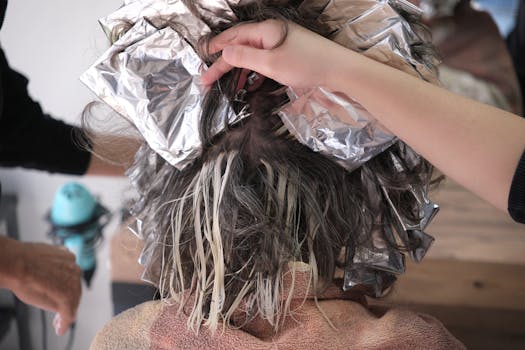
- Complexity of Color: Simple, one-tone colors can be done at home, but complex color changes, like balayage or highlights, should be handled by a professional.
- Hair Health: If your hair is damaged, a professional can assess the best products and techniques to use.
- Cost: Professional coloring can be expensive, but the results are generally more reliable and can be worth the investment.
Common Mistakes and Tips
Avoid common coloring mistakes for the best results:
- Skipping the Strand Test: Always test the dye on a small hair strand to check the outcome.
- Over-Processing: Leaving dye on for too long can cause severe damage. Follow the specified time on the dye package.
- Neglecting Hair Care: Colored hair requires extra care. Neglecting this can lead to faded colors and damaged hair.
Conclusion
Hair coloring can be a fun and rewarding experience if done correctly. By understanding the types of dyes, choosing the right color for your skin tone and eye color, and following proper application and maintenance techniques, you can enjoy beautiful, healthy, and vibrant colored hair. Whether you decide to color at home or opt for a professional service, always prioritize the health of your hair to keep it looking its best.