The Art and Science of Hair Coloring: A Comprehensive Guide
Hair coloring is a fascinating blend of art and science, offering individuals a way to express their unique personalities and style preferences through various shades and techniques. This comprehensive guide delves into the intricacies of hair coloring, explaining how it works, exploring different methods, and offering essential tips for maintaining vibrant colored hair.
Historical Context
.png)
The practice of hair coloring dates back to ancient times, with records indicating that the Egyptians used henna as a means to cover gray hair. Over the centuries, the methods and materials for hair coloring have advanced dramatically, turning it into a sophisticated beauty treatment favored worldwide for both aesthetic enhancement and cosmetic cover-up.
Understanding Hair Color Fundamentals
Hair color is primarily determined by melanin, the same pigment that affects skin color. There are two types of melanin in hair: eumelanin, which imparts black or brown tones, and pheomelanin, which provides red or blonde hues. Altering the hair's natural color involves modifying these pigment levels through various hair coloring techniques.
Main Types of Hair Coloring
- Temporary Hair Color: Ideal for those who enjoy frequent changes, this color sits on the hair's surface and is easily washed out with one or two shampoos.
- Semi-Permanent Hair Color: With a lifespan of about 4-6 washes, semi-permanent color slightly penetrates the hair shaft, offering a subtle change that naturally fades over time.
- Permanent Hair Color: For long-lasting results, permanent hair color chemically alters the hair. It is capable of significant color changes, such as turning dark hair to light shades, and involves a deeper penetration into the hair shaft.
The Chemistry of Hair Coloring
The permanent hair coloring process typically involves two key chemicals: ammonia and hydrogen peroxide. Ammonia's role is to open up the hair cuticle, allowing color molecules to enter the hair’s cortex. Meanwhile, hydrogen peroxide acts as a bleaching agent, removing the natural color so that the new color can bond effectively.
Popular Hair Coloring Techniques
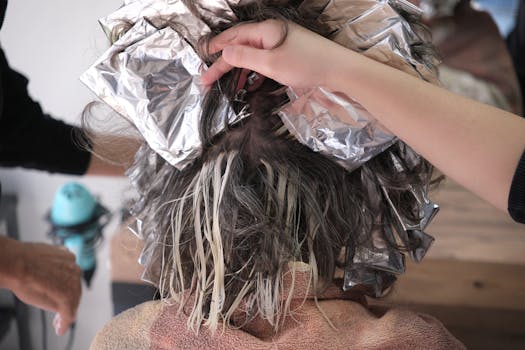
- Highlighting: This method adds lightness and depth by coloring select strands. The effects can range from subtle to striking, based on personal preference.
- Balayage: This hand-painted technique creates a natural, gradient effect, typically resembling hair lightened by the sun.
- Ombre: Known for its smooth gradient, ombre coloring transitions from darker roots to lighter ends.
- All-over Color: Often used to completely change the hair color or cover grays, this method involves applying a single shade to the entire head.
Tips for Maintaining Colored Hair
- Use Color-Safe Products: Specific shampoos and conditioners are designed to cleanse without stripping color, extending the life of your hair color.
- Avoid Hot Water: Lukewarm water is preferable as hot water can cause the hair cuticle to open, leading to quicker color fade.
- Sun Protection: UV rays can rapidly degrade hair color. Protect your hair by wearing hats or using hair products with UV filters.
- Regular Trims: Colored hair can be prone to damage such as split ends. Keeping your hair trimmed can help maintain its health and appearance.
Conclusion
Hair coloring is a dynamic and evolving art form that effectively combines creative expression with scientific principles. Whether your goal is to subtly enhance your natural color or make a bold statement with a completely new shade, understanding the options and best practices can help you achieve and maintain your desired look with confidence.