The world of hair care is filled with advice, rituals, and supposed “facts” passed down from generation to generation. But how much of what we believe about our hair is actually true? Many common hair myths have been debunked by science, yet they continue to shape the way we treat our locks. Understanding the truth behind these myths can help you make smarter decisions for healthier, stronger hair. Let’s unravel some of the most persistent hair myths and set the record straight with expert-backed evidence.
Myth 1: Cutting Hair Frequently Makes It Grow Faster
This is perhaps the most widespread hair myth of all time. The idea that trimming your hair will make it grow faster is appealing, but it simply isn’t true. Hair growth originates at the scalp, not the ends. Each hair follicle grows about half an inch (1.25 cm) per month, or roughly six inches (15 cm) per year, depending on your genetics, health, and age. Trimming your hair doesn’t affect the follicle’s activity.
However, regular trims do have one important benefit: they remove split ends and prevent them from traveling up the hair shaft, which can reduce breakage and make your hair look healthier. This means your hair might seem to grow faster simply because it’s not breaking off as much.
.png)
Fact: Trimming hair improves appearance and health, but does not impact the rate of hair growth.
Myth 2: Brushing Your Hair 100 Strokes a Day Makes It Healthier
Many people have heard the recommendation to brush their hair 100 times every day. This myth likely originated in the Victorian era, when elaborate grooming routines were fashionable. The idea was that thorough brushing would distribute natural scalp oils, resulting in shinier, healthier hair.
In reality, excessive brushing can do more harm than good. Over-brushing leads to mechanical damage, breakage, and split ends, especially for those with fine, dry, or curly hair. According to the American Academy of Dermatology, you should only brush your hair when styling or detangling, and always use a gentle, wide-tooth comb or a brush designed for your hair type.
Fact: Over-brushing can damage hair; gentle, minimal brushing is best.
Myth 3: Plucking One Gray Hair Causes More to Grow
The moment you spot a gray hair, it can be tempting to pluck it out. But does this really cause more gray hairs to sprout in its place? The answer is a firm no.
Hair color is determined by pigment-producing cells called melanocytes, which gradually reduce their activity as we age or due to genetics. Plucking a gray hair only removes that individual strand—it has no effect on neighboring follicles. However, repeated plucking can damage the follicle, potentially causing the hair to grow back finer or not at all.
Fact: Plucking gray hairs does not cause more to grow, but it can weaken the follicle over time.
Myth 4: Shampooing Every Day Is Necessary for Clean Hair
Many people believe that daily shampooing is essential for keeping hair clean and healthy. This is a myth rooted in 20th-century marketing campaigns, not science. In reality, how often you should wash your hair depends on your hair type, scalp condition, and lifestyle.
For example, people with oily scalps may need to shampoo more frequently, while those with dry or curly hair can often go several days between washes. Over-washing strips the scalp of its natural oils, leading to dryness, irritation, and increased oil production as the scalp tries to compensate.
The American Academy of Dermatology recommends washing hair as needed, which for many people is two to three times per week. Dry shampoos and scalp rinses can help in between.
Fact: Daily shampooing isn’t necessary for everyone; adjust frequency based on hair and scalp needs.
Comparing Common Hair Myths and the Facts
To better illustrate how these myths compare to the truth, here’s a quick reference table:
| Myth | The Reality |
|---|---|
| Cutting hair makes it grow faster | Trimming prevents split ends; growth rate is determined by scalp follicles |
| Brushing 100 strokes daily improves hair health | Over-brushing causes damage; gentle detangling is best |
| Plucking gray hair causes more to grow | Plucking doesn’t affect neighboring hairs, but can damage follicles |
| Shampooing daily is necessary | Frequency should be based on hair and scalp type, not routine |
| Wearing hats causes baldness | Hats do not cause hair loss unless extremely tight and worn constantly |
Myth 5: Wearing Hats Causes Hair Loss
It’s a common belief that regularly wearing hats leads to thinning hair or baldness. The truth is, hats alone do not cause hair loss. Hair loss is typically due to genetics (androgenetic alopecia), hormonal changes, medical conditions, or certain medications.
For a hat to cause hair loss, it would need to be extremely tight, worn for prolonged periods, and consistently rub or pull on the scalp. This could potentially cause a form of hair loss called traction alopecia, but this is rare. In most cases, wearing hats is completely safe for your hair.
Fact: Normal hat-wearing does not cause hair loss; genetics and health factors are the primary causes.
Myth 6: Coloring and Bleaching Always Ruin Your Hair
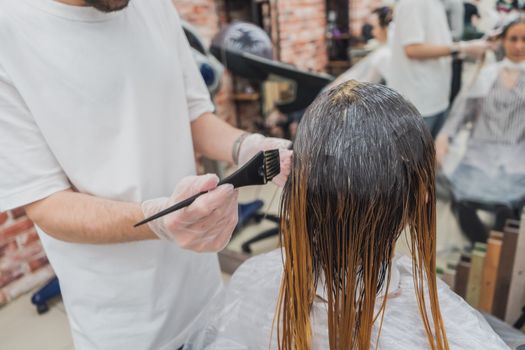
Many people shy away from coloring or bleaching their hair, fearing irreversible damage. While it’s true that chemical treatments can weaken hair, advancements in hair care products and professional techniques have made it possible to color and bleach while maintaining hair health.
According to a 2022 survey by the Professional Beauty Association, 67% of salon clients color their hair, and most experience no significant issues when following proper aftercare. Deep conditioning, using color-safe shampoos, and minimizing heat styling are essential steps for maintaining healthy, colored hair.
Fact: Professional coloring and bleaching, combined with good aftercare, do not necessarily ruin hair.
Myth 7: Cold Water Makes Hair Shinier
This myth claims that rinsing hair with cold water will “seal” the hair cuticle, resulting in shinier hair. However, there’s limited scientific evidence to support this. The hair cuticle doesn’t open and close like a door; it can be smoothed by acidic products (like conditioners), but water temperature has only a minor effect.
A 2018 study published in the Journal of Cosmetic Science found no significant difference in hair shine between cold and warm water rinses. The best way to achieve shiny hair is to use a quality conditioner and avoid excessive heat styling.
Fact: Cold water rinses have minimal impact on hair shine compared to proper conditioning.
Why Debunking Hair Myths Matters for Your Routine
Believing in hair myths can lead to habits that are ineffective or even damaging. For example, over-brushing, over-washing, or avoiding color treatments out of fear can prevent you from achieving the healthiest, most manageable hair possible. On the other hand, understanding the science behind hair growth, structure, and care allows you to make informed choices, saving you time and money.
Knowledgeable hair care doesn’t have to be complicated. It’s about listening to your hair’s needs, using products appropriate for your hair type, and being wary of advice that sounds too good to be true. Consulting with a licensed stylist or dermatologist can also help you personalize your routine and address any persistent concerns.